Degumming dephosphorization
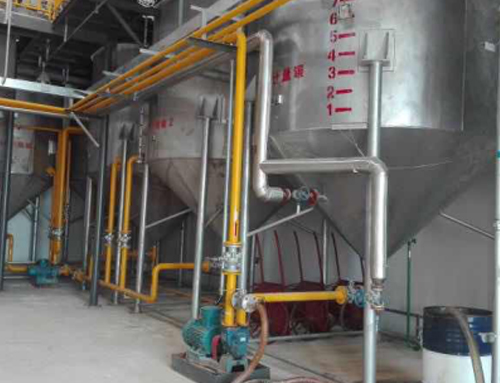
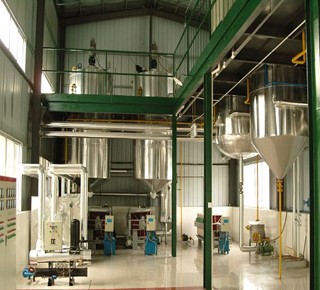
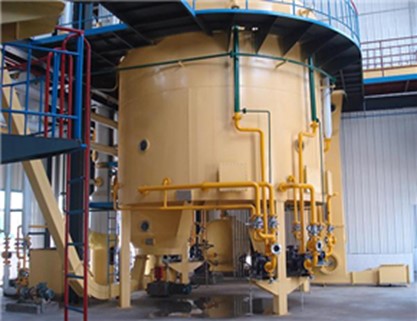
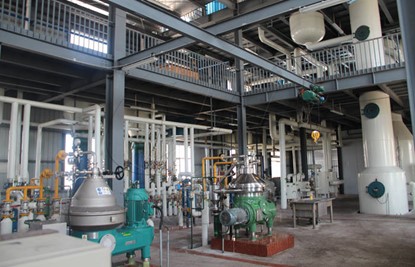
The process of removing colloidal impurities in oil is called degumming, and the colloidal impurities in crude oil are mainly phospholipids, so oil plants often call degumming as dephosphorization. Degumming methods include hydration method, heating method, acid addition method and adsorption method.
Degumming dephosphorization
The process of removing colloidal impurities in oil is called degumming, and the colloidal impurities in crude oil are mainly phospholipids, so oil plants often call degumming as dephosphorization. Degumming methods include hydration method, heating method, acid addition method and adsorption method.
Deacidification
The deacidification process mainly uses the alkali refining method and the distillation deacidification method.
Discoloration
Hair oil contains pigments such as chlorophyll and carotenoids. Chlorophyll is a photosensitizer that affects the stability of fats and oils, while other pigments affect the appearance of fats and oils, which can be removed with adsorbents.
There are many methods for decolorizing oils and fats. The most widely used in industrial production is adsorption and decolorization. In addition, there are thermal decolorization, oxidative decolorization, and chemical reagent decolorization.
Deodorization
Vacuum steam deodorization method is currently the most widely used method at home and abroad, and the effect is better. It uses the great difference in the volatility of odorous substances and triglycerides in fats and oils. Under high temperature and high vacuum conditions, the principle of steam distillation is used to make volatile substances that cause odors in fats and oils in the deodorizer. It escapes with water vapor to achieve the purpose of deodorization.
Contact Us
We not only provide a good product, but also provide high quality service.If you are interested in
our products, you can contact us in the following ways.