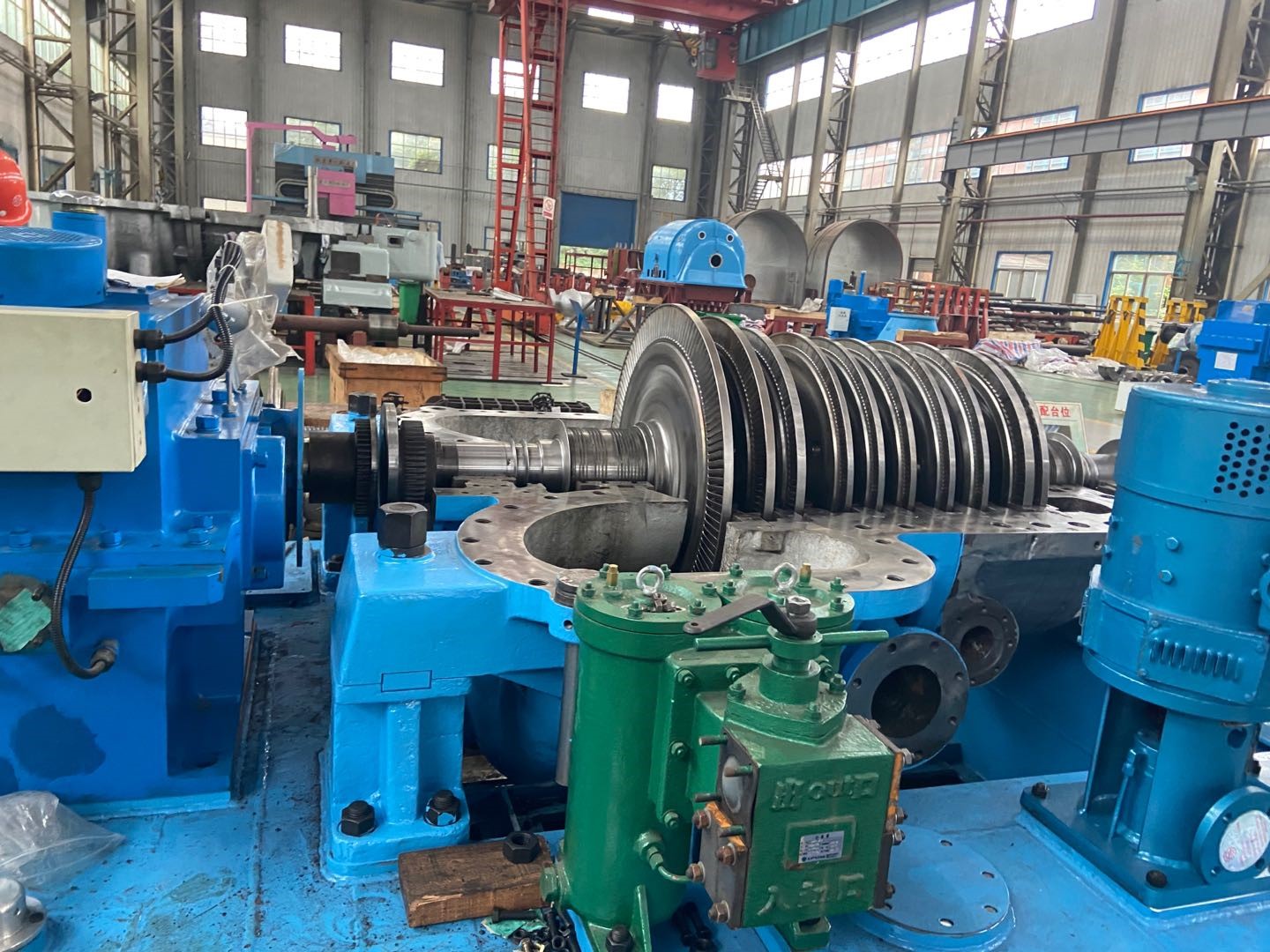
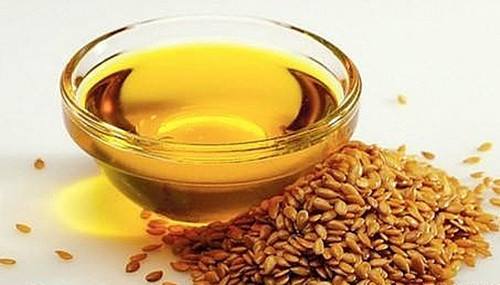
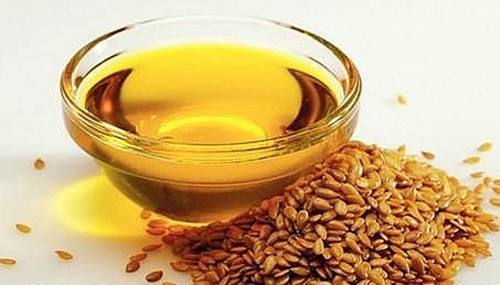
Linseed oil extraction production line The production process of linseed oil extraction production line is generally divided into squeezing production line and leaching production line. The production line for extracting linseed oil by squeezing method is also called "physical squeezing method", which uses external force to squeeze the oil out of the oil without using other chemical solvents, so as to avoid the residue of organic solvents in the oil. The leaching method utilizes the solubility of mineral spirits to vegetable oils and sprays and soaks the oil in the container. Dissolve the vegetable oil in the solvent oil to form a mixed oil and bring the oil out of the raw material. The leaching method has the characteristics of large processing volume and high efficiency The squeezing production process of the linseed oil extraction production line retains the effective ingredients in the flaxseed to the greatest extent-polyunsaturated fatty acids, protein, dietary fiber, vitamins, trace elements and other nutrients that are beneficial to the human body. Special supplement for human health. Linseed oil extraction production line pressing method linseed oil machine is divided into "cold pressing method" and "hot pressing method" Hot pressing method: refers to the oil produced by physical pressing after frying or steaming oil crops at high temperature. It is a relatively cold pressing process and has a higher oil yield. Cold pressing method: refers to the vegetable oil that is squeezed under the condition of low temperature with huge pressure of physical machinery, so it is called cold pressing method. There is no traditional high-temperature frying or steaming process, so the oil is still distributed in the undeformed protein cells It contains very rich natural ingredients of flaxseed (linolenic acid and other nutrients). The linseed oil extraction production line uses n-hexane to extract the linseed oil in the linseed cake. The oil produced by the extraction process is also called leaching oil, which is to extract the oil with organic solvents (such as gasoline, ethanol, etc.). The leaching method is An oil-making process in which solvent oil (No. 6 light gasoline) is used to soak the oil and fat raw materials and then extract them at high temperature to extract the oil. The "oil" originally leached out is a mixture of organic solvents and fats, etc. It cannot be eaten. It must undergo a series of refining processes (dewaxing, degumming, dehydration, deodorization, deacidification, decolorization and other chemical treatments) before it can be eaten. The oil is generally light in color, and the original natural gas in the material seeds is light or has no obvious smell. The extraction process can extract almost all the oil in the oil, with very high economic benefits, and is the most popular processing method in the modern oil industry Flaxseed oil is made from linseed. Flaxseed is the seed of flax. It belongs to the flax family and is also called flax. Because it is native to the East India region, when Zhang Qian of the Han Dynasty was envoy to the Western Regions, he brought flax back through the Silk Road. China, mainly planted in the old Xiongnu area, was an area where "hu people" gathered, hence the name. Cold pressed linseed oil is rich in alpha-linolenic acid, which is the most effective way to supplement linolenic acid. The sum of crude protein, fat and total sugar content in flaxseed is as high as 84.07%. Flaxseed protein has a complete variety of amino acids, and the essential amino acid content is as high as 5.16%, which is a plant protein with high nutritional value. The content of α-linolenic acid in linseed oil is 53%. α-linolenic acid is an essential fatty acid for human body, which can be converted into eicosapentaenoic acid and docosahexaenoic acid in the human body. They are effective activities in fish oil. ingredient. How to eat 1. Low-temperature cooking: Use alone or blend cooking with daily cooking oil. 2. Soup seasoning: Add flaxseed oil to the cooked porridge and soup to add color and freshness. 3. Mix cold dishes skillfully: Use flaxseed oil to mix cold dishes and salads. 4. Baked pastries: Use linseed oil instead of ordinary edible oil or butter to bake pastries with pleasant fragrance. 5. Mixed consumption: Add flaxseed oil directly into yogurt and mix for consumption. 6. Direct consumption: Adults consume 15-20ml daily, and children should reduce it to 5-10ml. Precautions for cooking Appropriate cooking method: Flaxseed oil has high nutritional value, but has a low smoke point. It is very easy to smoke when heated and is suitable for cold food; but if linseed oil (a small amount) is blended with other vegetable oils (a large amount), It can also be used for frying, but pay attention to controlling the oil temperature when frying, and it should not be too high (it is recommended to put the vegetables quickly when the cold oil or oil is surging at the bottom of the pan or ripples); not suitable for frying Model YMZY30---YMZY2000 Output 30 tons/day---2000 tons/day Voltage 380V--440V https://www.huawei-mart.com/



.JPG)