English
English 中文
Home > News
Rapeseed oil extraction production line
Date: 2020-12-04
View:
Share:

Rapeseed oil extraction production line
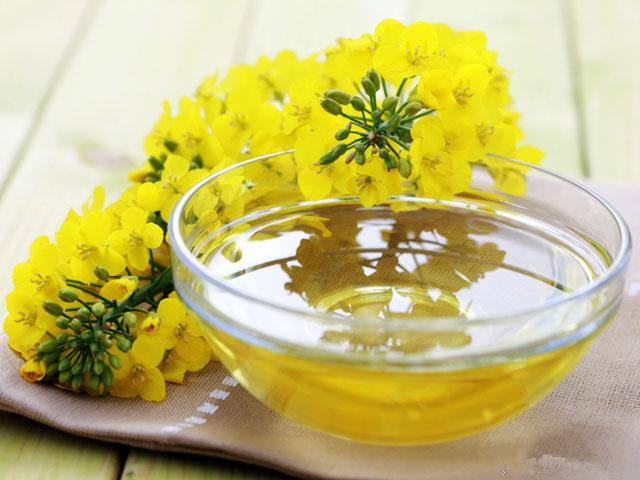
Rapeseed oil is what we commonly call rapeseed oil, also known as rapeseed oil, coriander oil, canola oil, sesame oil, canola oil, and is a kind of edible oil squeezed from rapeseed. It is one of the main edible oils in my country. It is mainly produced in the Yangtze River Basin, southwest, northwest and other places.
After nearly 10 years of hard work, China has transformed the traditional low-quality high-erucic acid rapeseed oil into canola oil with the best nutritional quality among the bulk vegetable oils. By 2010, the double-low rate of rapeseed oil in my country reached more than 90%.
The human body's absorption rate of rapeseed oil is very high, up to 99%. Rapeseed oil has a certain effect of softening blood vessels and delaying aging.
Rapeseed oil has low cholesterol, so people who control their cholesterol intake can eat it with confidence.
Rapeseed oil is an oil with a particularly high content of erucic acid. Whether it will cause myocardial fat deposition and damage the heart is still controversial. Therefore, patients with coronary heart disease and high blood pressure should pay attention to eating less.
According to the theory of traditional Chinese medicine, rapeseed oil is sweet, spicy and warm in nature.
It can moisturize and kill insects, disperse fire pills, reduce swelling and poison.
Yao Kecheng's "Food and Materia Medica" also said that vegetable oil "applied the head to make hair grow black. It promotes stagnation of blood, breaks air-conditioning, reduces swelling and dissociation. It treats childbirth, postpartum heart diseases, red hot swelling, golden sores and hemorrhoids." It is clinically used for roundworm and food-induced intestinal obstruction with good effect.
"Compendium of Materia Medica" says that rapeseed "has been fried and pressed for oil, it is yellow, the lamp is very bright, and it can't eat as much as sesame oil. Because of the benefits of oil, the cultivation of rapeseed is also widespread."
Rapeseed oil is abbreviated as "rapeseed oil", which is mainly derived from the seeds of cabbage-type rape and cabbage-type oil (oil content 22%-49%, average 40%). Contains 21%-27% protein and about 1% phospholipid. These varieties of rapeseed are produced in China, India, Japan, Pakistan, Sweden, Poland, Germany, Chile, France and Canada. In Europe, the source of rape oil is winter-sown Brassica napus. In Pakistan and Canada, the main source of rape oil is cabbage type rapeseed in summer.
China's rape production has made great progress, and the yield per mu has been continuously increased. Rapeseed oil production accounts for more than 1/3 of vegetable oil production. In addition to the main production areas of the Yangtze and Pearl River basins, other regions are also vigorously developing rapeseed cultivation, because it can be grown on winter fallow land and does not compete with field crops for land.
Rapeseed crude oil is yellowish greenish, with an unpleasant smell and spicy taste. The rapeseed oil after alkali refining, decolorization and deodorization is clear and transparent, light yellow in color and no peculiar smell. There is a phenomenon of flavor recovery during storage, but the flavor is different from the original (crude oil).
A few years ago, rapeseed oil was squeezed from cabbage-type rapeseed, and most of the rapeseed grown was cabbage-type rape. After germplasm cultivation, the content of erucic acid in many varieties is less than 3%, and there is very little "green taste" in the past. The fatty acid composition of rapeseed from different producing areas is very different. Some rapeseeds contain more than 50% oleic acid.
 
1. From the production process, it can be divided into pressed rapeseed oil and leached rapeseed oil.
2. According to whether the raw material is genetically modified, it can be divided into genetically modified rapeseed oil and non-transgenic rapeseed oil.
3. From the erucic acid content of fatty acid composition, it can be divided into general rapeseed oil and canola oil.
Generally dark yellow or brown. Rapeseed oil contains 0.4-1.0% arachidic acid, 14-19% oleic acid, 12-24% linoleic acid, 31-55% erucic acid, and 1-10% linolenic acid. From the perspective of nutritional value, the human body's digestion and absorption rate of rapeseed oil can be as high as 99%, and it has beneficial biliary function. When the liver is in a pathological state, rapeseed ketone can also be metabolized normally by the human body. In addition, rapeseed oil contains a small amount of erucic acid and glucosinolates, which are generally considered unfavorable to human growth and development. If it can be eaten with high-quality edible oil rich in linoleic acid, its nutritional value will be improved.
Squeeze
The squeezing method is also called "physical squeezing method", which uses external force to squeeze out the oil in the oil. It is not suitable for other chemical solvents, etc., to avoid the residue of organic solvents in the oil. The pressing production process retains the effective ingredients in rapeseed to the greatest extent-polyunsaturated fatty acids, protein, dietary fiber, vitamins, trace elements and other nutrients that are beneficial to the human body. It is more suitable for special supplements for the human body. health care
 
Extraction
The oil produced by the extraction process is also called leaching oil, which is to extract the oil with organic solvents (such as gasoline, ethanol, etc.). The Extraction
 method uses solvent oil (No. 6 light gasoline) to soak the oil and fat raw materials for high-temperature extraction. An oil-making process in which grease is extracted. The "oil" originally leached out is a mixture of organic solvents and fats, etc. It cannot be eaten. It must undergo a series of refining processes (dewaxing, degumming, dehydration, deodorization, deacidification, decolorization and other chemical treatments) before it can be eaten. The oil is generally light in color, and the original natural gas in the material seeds is light or has no obvious smell. The extraction process can extract almost all the oil in the oil, with very high economic benefits, and is the most popular processing method in the modern oil industry
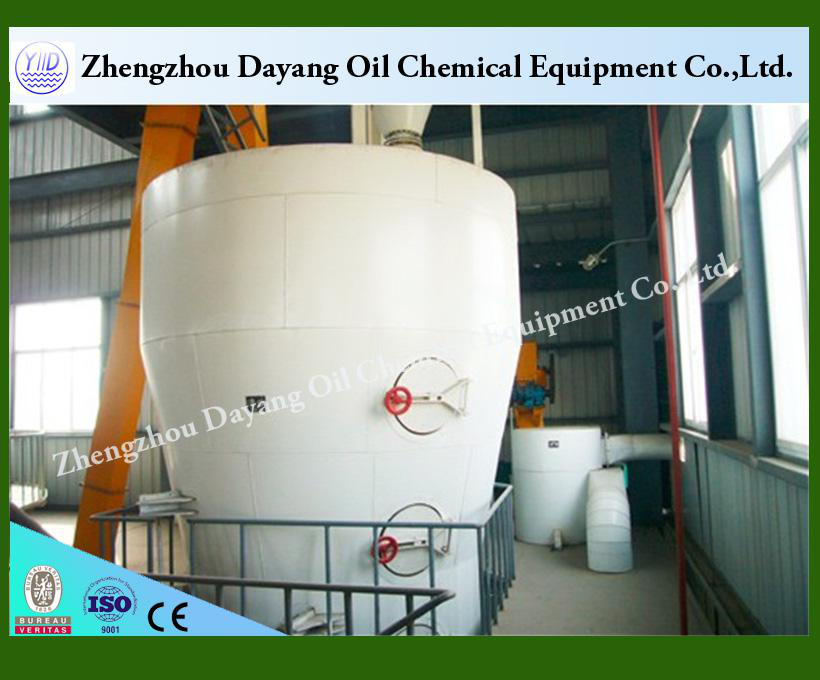
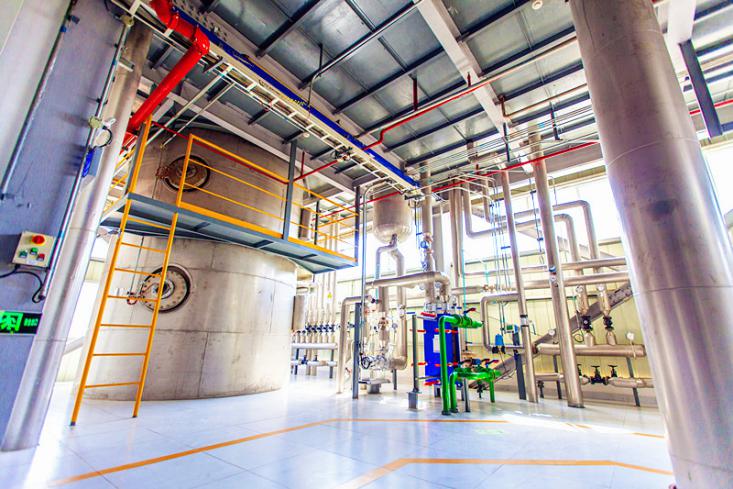

The desolventization process of rapeseed oil extraction production line, due to the wide boiling range of No. 6 solvent oil (6090), and its composition is relatively complicated. Although the solvent in the mixed oil is recovered by evaporation and stripping, the remaining solvent in the oil The high boiling point components are still difficult to remove, resulting in higher residual solubility in the leached crude oil. The operation of removing the residual solvent in the leaching oil is called "desolvation". The residual amount of solvent in the oil after desolvation should not exceed 50 mg/L. At present, the most widely used method at home and abroad is the steam distillation desolventization method. The principle is that when water vapor passes through the leaching of crude oil, the vapor-liquid surface contacts, and the water vapor is saturated by the volatilized solvent and escapes according to its partial pressure ratio. , So as to remove the solvent in the leached oil. Because the volatility of solvents and fats are very different, steam distillation can remove volatile solvents from almost involatile fats. Desolubilization is carried out at a higher temperature and equipped with higher vacuum conditions. Its purpose is to increase the volatility of the solvent; protect the grease from oxidation at high temperatures; and reduce the consumption of steam.


Rapeseed oil refining and deodorization process
①Intermittent desolventization process of rapeseed oil extraction production line
The leached oil after hydration or alkali refining→desolventization→cooling→product oil
Steps
Step 1: Start the vacuum pump to stabilize the vacuum of the desolventizing system at about 7000 Pa, and suck the leached oil into the desolventizing pot, and the amount of oil filled is about 60% of the capacity of the pot.
Step 2: Turn on the indirect steam to raise the oil temperature to 100°C. Direct steam with a pressure of about 0.1 MPa is introduced to fully turn the oil in the pot, and continue to use indirect steam to raise the oil temperature to 140°C, and at the same time timing, desolvation begins.
The third step: depending on the quality of the leached oil, the desolventization time is generally about 4 hours, during which the oil temperature is maintained at 140°C and the vacuum degree is about 8000 Pa.
Step 4: Turn off the indirect steam 0.5 hours before the end of desolvation, and turn off the direct steam only after the specified time.
Step 5: Pass the desolubilized grease through a cooler or cool it to 70°C in the pot, then break the vacuum, and release the finished oil.
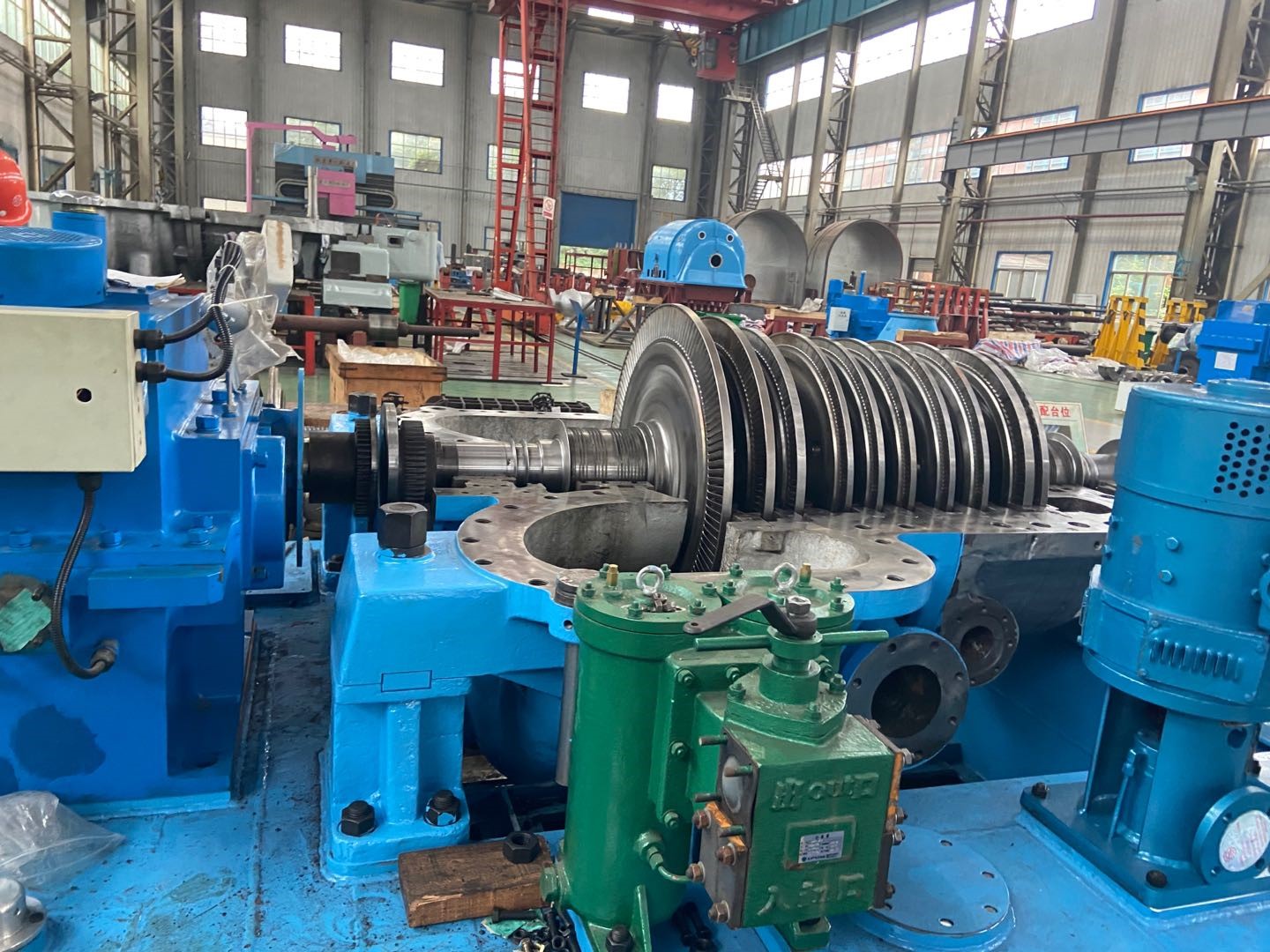
Desolventizing equipment for rapeseed oil extraction production line
When used for demelting, it is called demelting pot. There are other auxiliary equipment, such as W-type mechanical vacuum pump or steam-water series jet pump, atmospheric condenser, air balance tank and liquid foam trap, etc.
 

Model CZY30---CZY 3000
Output 30 tons---300O tons/day


Inquiry phone Whatsapp 0086 13633717168
https://www.huawei-mart.com/
 
Inquiry
Phone
Email
Have questions? DAYANG sales representatives are available for live chat now